The Best Free VPNs 2026 (Tried & Tested)
We tested the free VPNs worth trusting. See the best free VPNs with real no-logs policies, honest data caps, and which dangerous ones to avoid entirely.
Let us be honest about something the other "best free VPN" lists won't tell you: most free VPNs are a terrible idea. A landmark study of free VPN apps found the majority contained tracking libraries, and some leaked data or requested alarming permissions. When a VPN costs nothing, you are often the product — your browsing data is the payment.
That is the uncomfortable truth, and it is exactly why this guide exists. There are a handful of genuinely safe, no-logs free VPNs run by companies that make money from their paid tiers, not from selling your data. The trick is knowing which is which — and free VPNs outnumber trustworthy ones by a wide margin.
So we tested the reputable options and kept only the ones we would actually run ourselves. Below are the five free VPNs worth using, what each free tier really gives you, and the ones to avoid at all costs. New to the topic? Our explainer on proxy vs VPN covers the basics first.
The Quick Answer
Our take: Proton VPN has the best free tier by a mile — it is the only trustworthy one with unlimited data, a genuine no-logs policy, and independent audits. Windscribe and PrivadoVPN are close behind with generous 10GB caps. If a free VPN cannot explain how it makes money, do not install it.
Are Free VPNs Safe? The Honest Truth
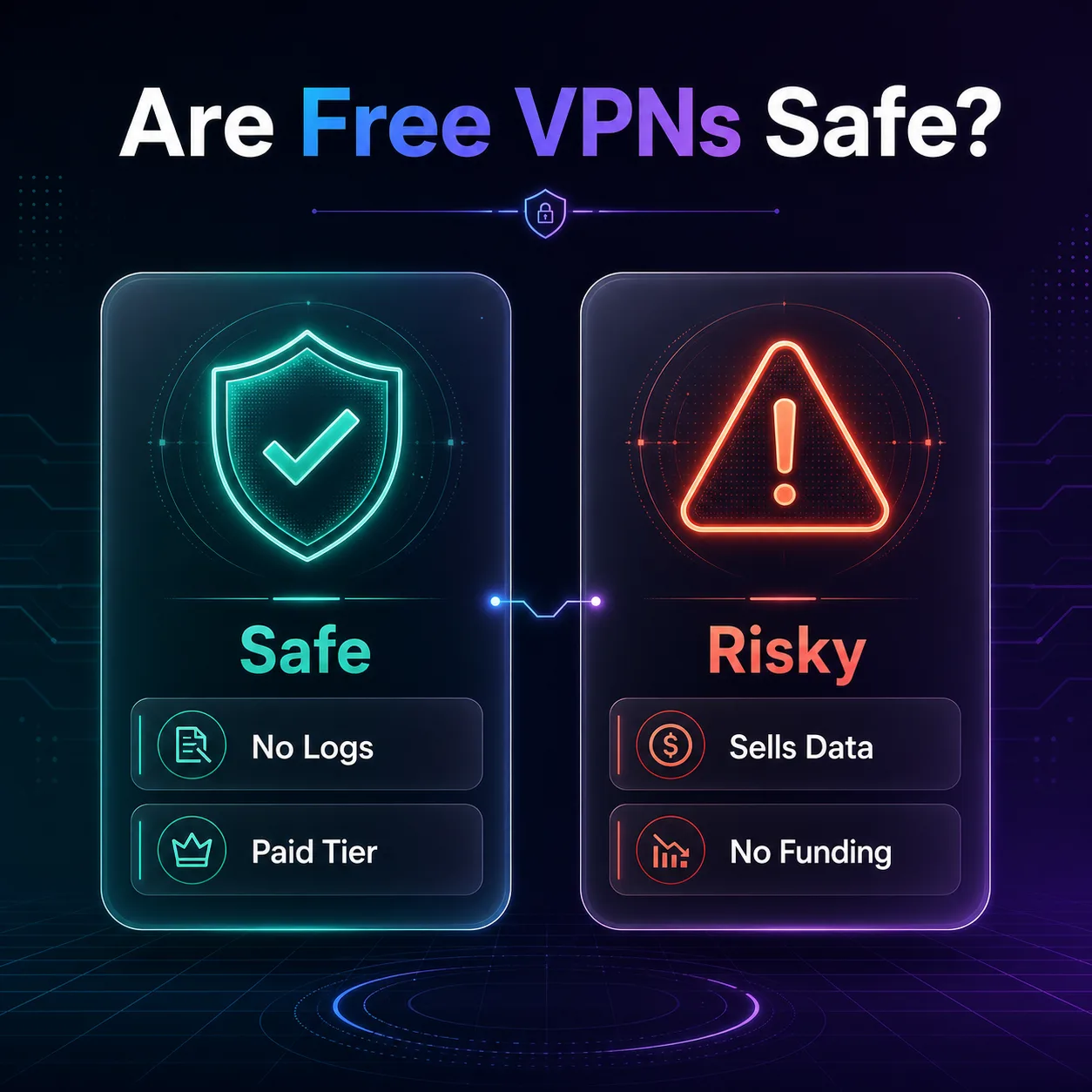
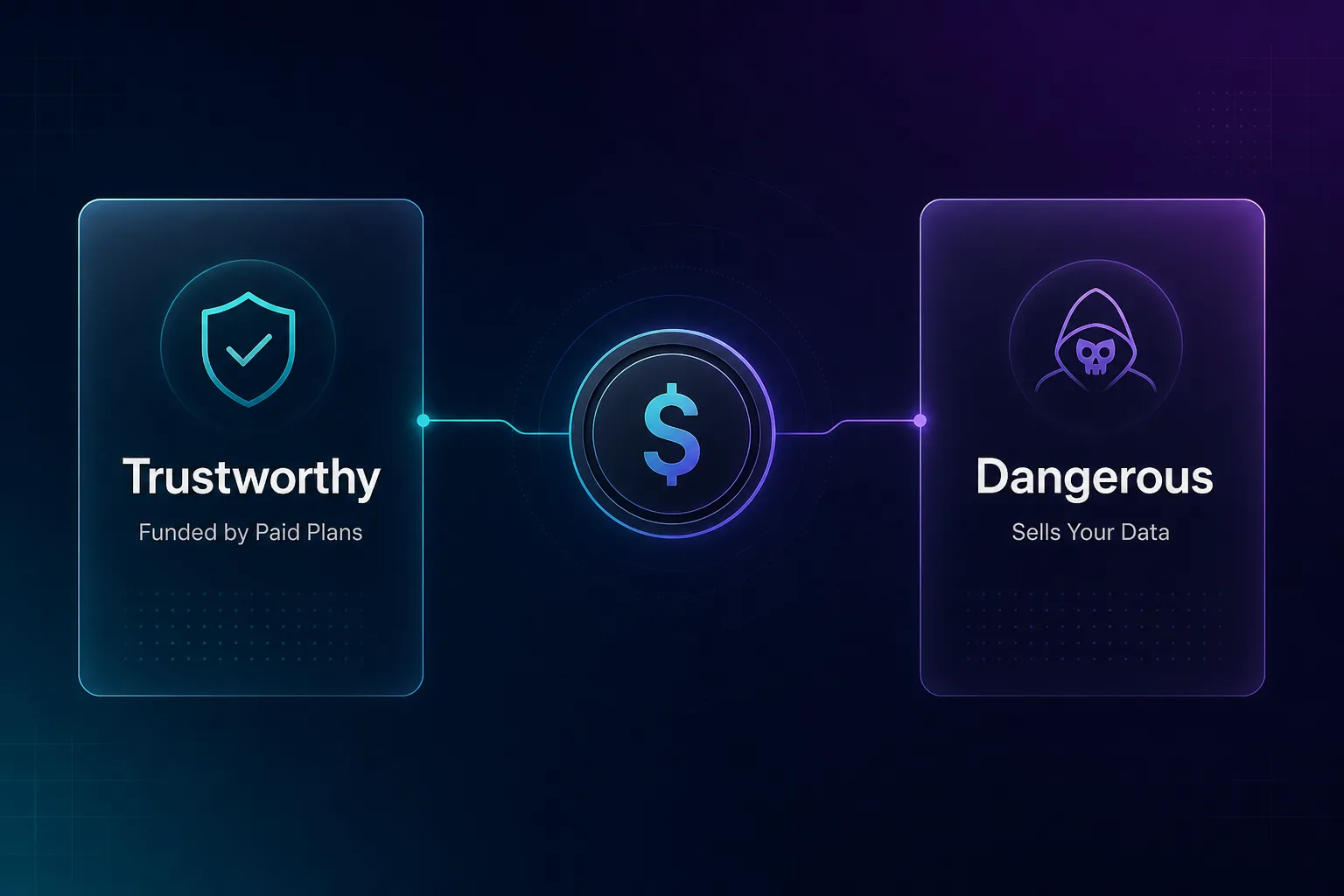
This is the question that matters most, so we will answer it straight. Some free VPNs are perfectly safe. Many are not. The difference comes down to the business model.
Running a VPN costs real money — servers, bandwidth, engineers. A trustworthy free VPN (like Proton) funds its free tier with paid subscriptions, so the free plan is a limited taster, not the product. A dangerous free VPN has no paid tier funding it, which means it monetizes you: logging your activity, injecting ads, selling bandwidth, or handing data to third parties.
The rule: only trust a free VPN from a company with a reputable paid product, a clear no-logs policy, and ideally an independent audit. Everything below meets that bar. For the myths that trip people up, see our piece on VPN myths you still believe.
How We Tested These Free VPNs
We judged each on the things that actually protect you: a verifiable no-logs policy (audited where possible), no data selling, real encryption, usable speeds, and an honest free tier without dark patterns. We also weighed data caps, server access, and device limits — because a "free" VPN you cannot actually use is worthless. Where our view is based on public audits and documentation rather than long-term hands-on use, we say so.
The 5 Best Free VPNs
Five free VPNs we trust, ranked by how much genuine value the free tier delivers. Every one is backed by a reputable paid product and a real privacy policy.
1Proton VPN

Proton VPN is the best free VPN, full stop, and it is not close. It is the only trustworthy free tier with unlimited data — no monthly cap — from the privacy-focused team behind Proton Mail. That alone makes it the default recommendation.
The free plan is limited to a handful of countries and one device, and the fastest servers are paid, but the fundamentals are ideal: a strict, audited no-logs policy, strong encryption, and no ads. For everyday private browsing at no cost, nothing else comes close. It also supports the modern WireGuard protocol on free servers, so speeds are respectable despite the free tier being deprioritized behind paying users.
2Windscribe

Windscribe offers the most generous capped free tier — 10GB per month once you confirm your email, with more available through referrals. It unlocks servers in over ten countries and allows unlimited simultaneous devices, which is rare on a free plan.
It also bundles a solid ad and tracker blocker (R.O.B.E.R.T) at no cost. The 10GB cap suits regular but not heavy use, and it is a genuine, no-nonsense free VPN from a well-regarded provider.
3PrivadoVPN

PrivadoVPN is the best free option for occasional streaming. Its free tier gives you 10GB of full-speed data per month across a dozen global locations, and it is one of the few free VPNs that can reliably unblock some streaming libraries.
After the 10GB is used, you drop to a slower unlimited connection on one server rather than being cut off entirely. It is a Switzerland-based, no-logs service — a strong, honest free tier for light use, and the app is clean and beginner-friendly to boot.
4Hide.me

Hide.me is the pick if you want a clean, no-ads free experience with audited credentials. Its free plan includes 10GB per month, a choice of locations, and — importantly — no advertising and no logging, backed by an independent audit.
It does not ask for an email to start, which is a nice privacy touch. Speeds are reliable and the app is straightforward. For a no-strings, trustworthy free VPN that respects your privacy from the very first click, Hide.me is an easy recommendation.
5TunnelBear
TunnelBear is the most beginner-friendly free VPN, with a famously simple, playful app and a strong commitment to transparency — it publishes annual independent security audits, which is still uncommon in this industry.
The catch is the cap: just 2GB per month on the free plan, the smallest here. That makes it perfect for occasional use or trying a VPN for the first time, but too tight for regular browsing. What you do get is genuinely safe and easy. The transparency of those public audits is a real trust signal — you can see exactly what the company does and does not do with your connection.
Free VPNs Compared at a Glance
The quick view to match a free tier to your needs.
| VPN | Free data cap | Devices | Best for |
|---|---|---|---|
| Proton VPN | Unlimited | 1 | Best overall, unlimited data |
| Windscribe | 10 GB/month | Unlimited | Generous cap + ad blocker |
| PrivadoVPN | 10 GB/month | 1 | Free streaming |
| Hide.me | 10 GB/month | 1 | No ads, audited, no email |
| TunnelBear | 2 GB/month | Unlimited | Beginners |
Free vs Paid VPNs: What You Give Up
A safe free VPN is great, but be clear-eyed about the trade-offs. Free tiers are deliberately limited to nudge you toward paying.
With a free VPN you typically accept data caps (except Proton), fewer server locations, slower or crowded servers, and often a one-device limit. You also usually lose streaming reliability, advanced features, and priority support. For light, occasional privacy, that is a fine trade. For streaming, gaming, torrenting, or covering a whole household, a paid plan is worth it — see our picks for the best VPNs for Netflix and gaming, or compare providers in the VPN directory.
Free VPNs to Avoid
Just as important as the good ones: the free VPNs that are actively risky. Steer clear of these patterns.
Avoid any free VPN that promises "unlimited everything" with no paid tier — someone is paying for those servers, and it is you, in data. Historically, apps in the Hola and Betternet mold have drawn heavy criticism for selling user bandwidth or weak privacy practices. Also be wary of no-name free VPNs on the app stores with vague policies and suspicious permissions.
One honest note: you may still see Atlas VPN on old "best free VPN" lists. It was discontinued in 2024 and folded into NordVPN, so it is no longer a live option — a good reminder that these lists go stale fast. Stick to the five above and you avoid the minefield entirely.
How to Choose a Free VPN
Five good options, one right fit. These questions decide it.
1How much data do you need?
If you will use the VPN daily, only Proton VPN's unlimited free tier really works. For occasional use, a 10GB plan (Windscribe, PrivadoVPN, Hide.me) is plenty. TunnelBear's 2GB is for light dabbling.
2Do you want to stream?
Most free tiers cannot reliably unblock streaming. PrivadoVPN is the best bet on free, but honestly, streaming is where a paid VPN earns its keep.
3How many devices?
Windscribe allows unlimited devices free; most others limit you to one. If you need to cover a phone and laptop at once, that matters.
Common Mistakes to Avoid With Free VPNs
The errors that turn a free VPN from helpful to harmful.
1Installing an unknown free VPN
The single biggest risk. A random free VPN with no reputation can log and sell everything you do. If you have never heard of it and it has no paid product, do not install it.
2Assuming free means private
Free does not equal safe. Only a no-logs, audited provider actually protects your privacy. Read the policy, or use one of the five above that we already vetted.
3Using free VPNs for sensitive tasks
Even good free tiers are limited. For banking, work, or anything sensitive over public Wi-Fi, a reputable paid VPN gives you the reliability and features you want.
4Ignoring the data cap
Streaming or large downloads will burn a 10GB cap in an hour or two. Know your limit so the VPN does not cut out mid-task and expose your connection.
5Expecting fast speeds
Free servers are shared and often crowded, so speeds dip. That is the trade for free — if you need consistent speed, that is the clearest reason to upgrade.
Tips for Using a Free VPN Safely
- Stick to audited, reputable providers — the five here, not random app-store finds.
- Read how it makes money — if there is no paid tier, be suspicious.
- Enable the kill switch where available so a dropped connection never exposes your IP.
- Mind the data cap — save the VPN for when you actually need privacy.
- Upgrade when you outgrow it — for streaming or heavy use, a paid plan is worth it.
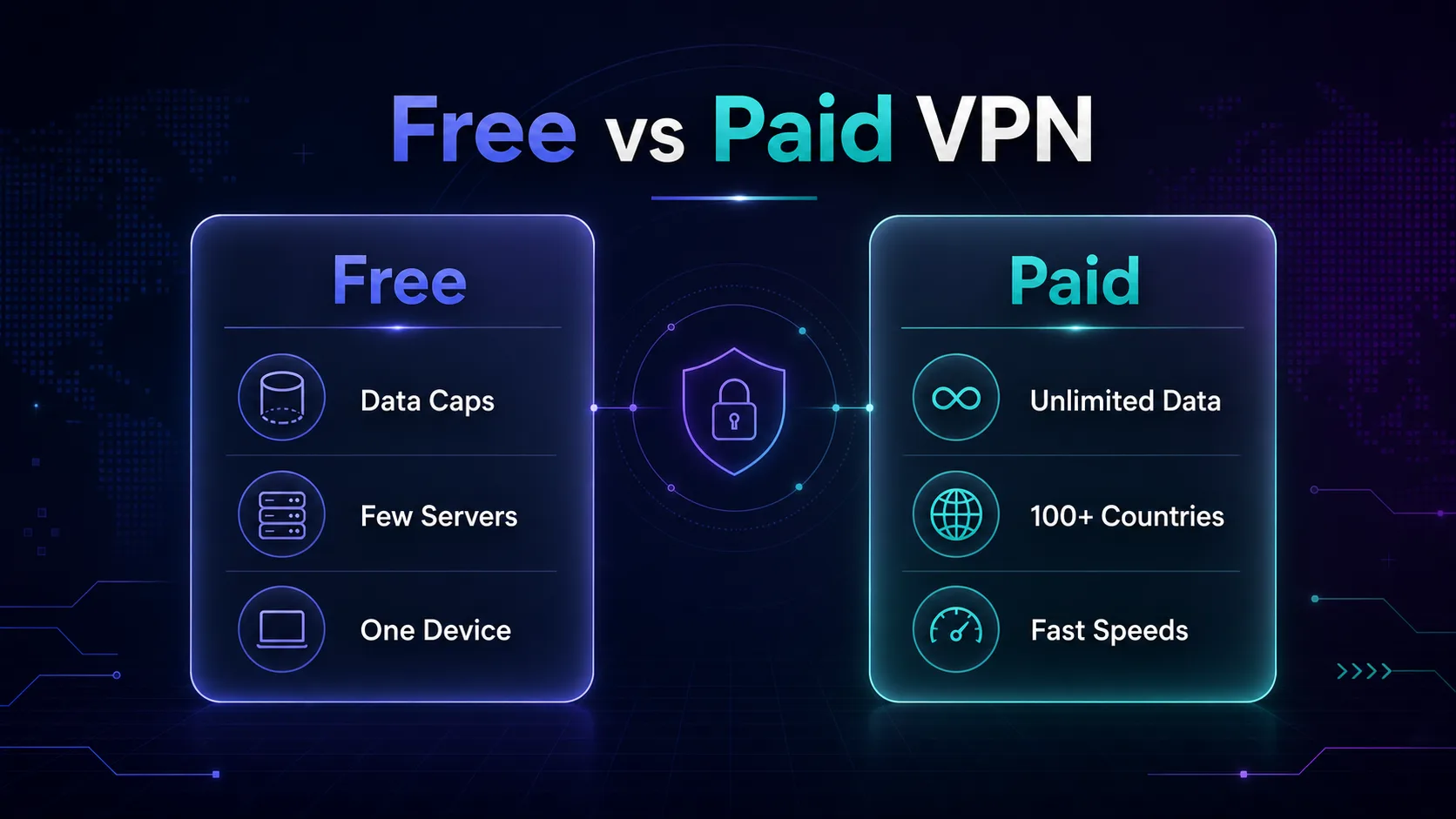
Free VPN vs Paid VPN at a Glance
If you are weighing whether to stay free or upgrade, this side-by-side makes the trade-off concrete.
| Feature | Free VPN | Paid VPN |
|---|---|---|
| Data | Capped (except Proton) | Unlimited |
| Server locations | A handful | Dozens to 100+ countries |
| Speed | Shared, often slower | Fast, less crowded |
| Streaming | Unreliable | Reliable unblocking |
| Devices | Usually 1 | 5–unlimited |
| Support | Basic | Priority 24/7 |
| Price | $0 | ~$2–5/month on annual plans |
Is a Free VPN Enough for You?
For a lot of people, yes. If your goal is basic privacy on public Wi-Fi, occasional IP masking, or simply trying a VPN before committing, a safe free tier does the job — and Proton VPN removes the usual data-cap headache entirely.
Our honest take: a good free VPN is a genuine tool, not a toy — but it is a starting point, not a destination. The moment you want to stream regularly, torrent, cover the whole household, or rely on a VPN daily, the limits stop being minor and a paid plan pays for itself. Reputable providers now cost only a few dollars a month on annual plans, which is a small price for unlimited data and real speed. Start free, learn what you actually need, then upgrade with confidence — or stay free forever if the basics are all you want.
Frequently Asked Questions
The Bottom Line
A free VPN can absolutely keep you private — but only if you pick a safe one. The market is full of apps that treat your data as the payment, so the provider matters more here than anywhere else. Choose from a reputable company with a paid product and an audited no-logs policy, and you are in good hands.
For most people, Proton VPN is the answer: unlimited free data and genuine privacy. If you want more devices go Windscribe, for free streaming try PrivadoVPN, and for a no-ads audited option pick Hide.me. When you outgrow the free limits, compare full plans in our VPN directory or line two up with the comparison tool. And if you are still deciding whether you even need a VPN or a proxy, our proxy vs VPN guide will settle it.
Keep Reading
More articles you might enjoy